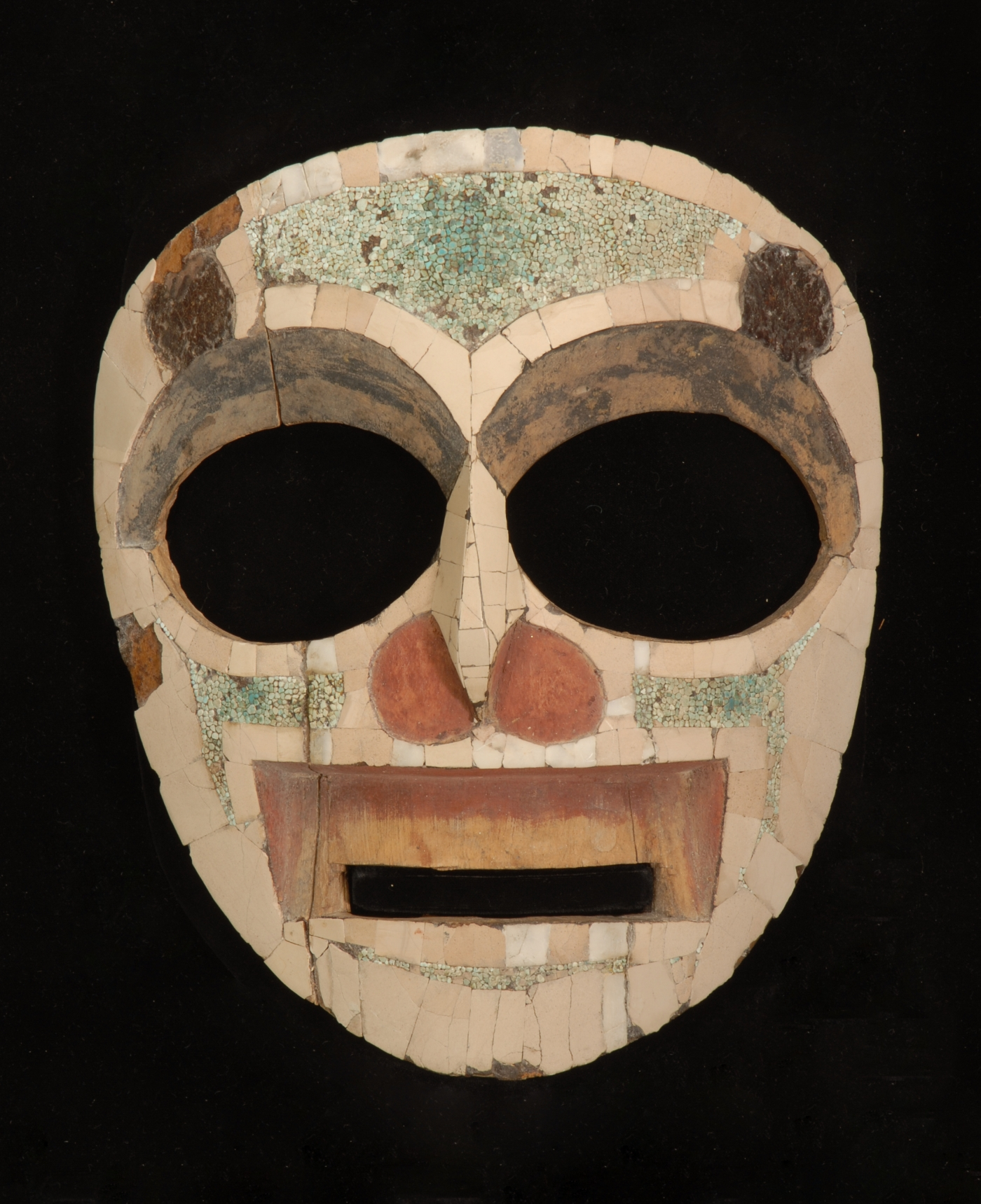
Aztecs · Mesoamerica14th–16th c.
Xiutecuhtli Mask
Mosaic mask of the fire and renewal god. Turquoise, obsidian and shell create a face that blazes at the sacrificial fire.
- Material
- Turquoise · Obsidian · Shell
- Type
- Ritual
CEREMONIAL MASKS
"Mask" is a broad museum term. These records lead to theater, funerary rites, fire ceremonies and objects never meant to be worn. Every mask keeps its own context.
Descriptions are based on archaeological finds and museum records. Names below are demonstration entries for this educational project.
Aztecs · Mesoamerica14th–16th c.
Mosaic mask of the fire and renewal god. Turquoise, obsidian and shell create a face that blazes at the sacrificial fire.
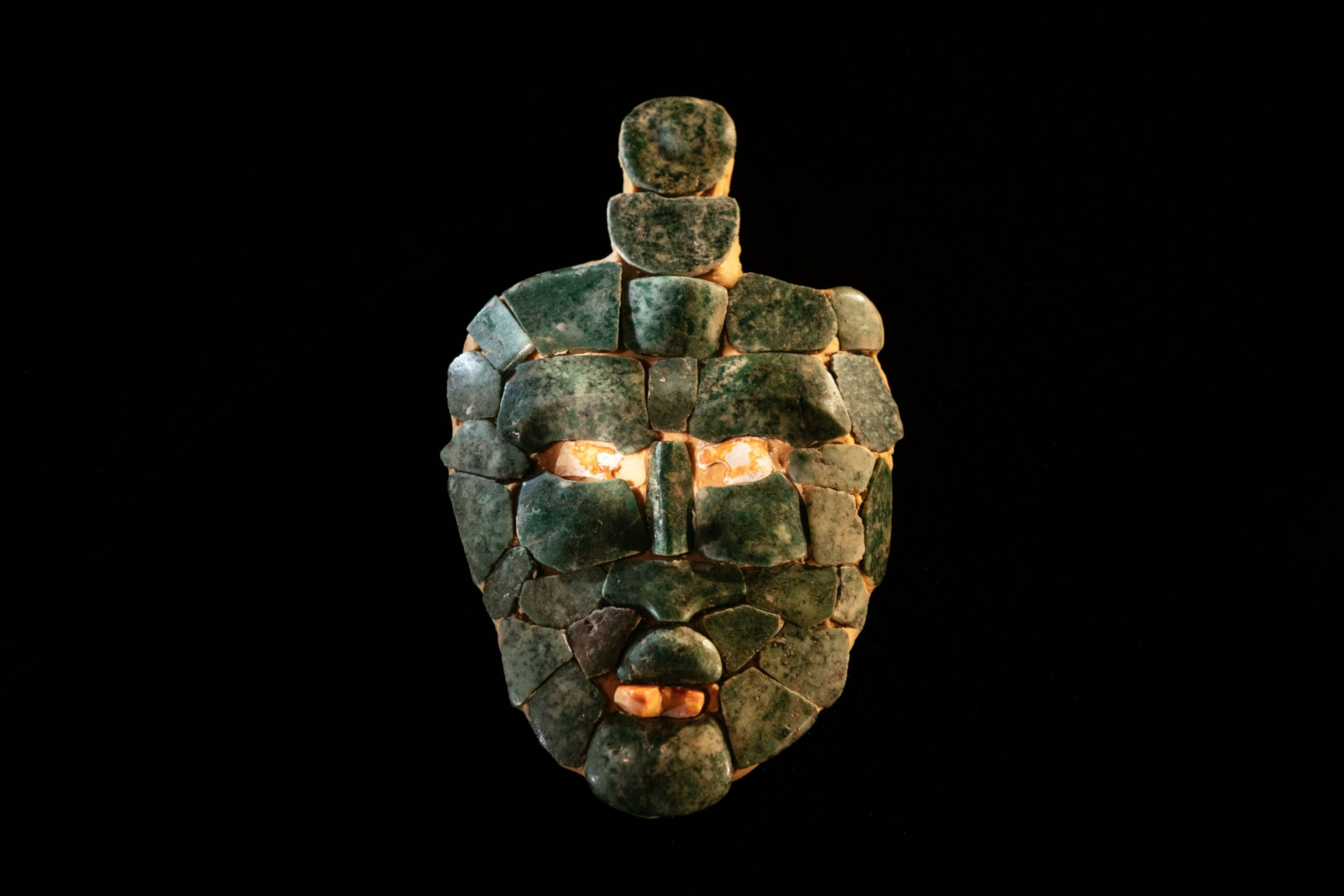
Maya · Calakmul600–900 CE
Mask of the sun god found in a ruler's tomb. Jade symbolized eternity; gold inlays — divine light.
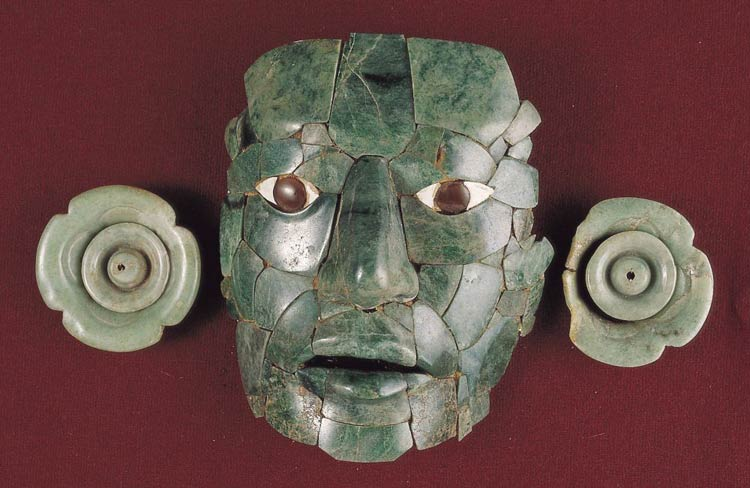
Maya · Tikal300–600 CE
Jade mask with separate rosette ear flares. Mother-of-pearl eyes created a living gaze in candlelight.
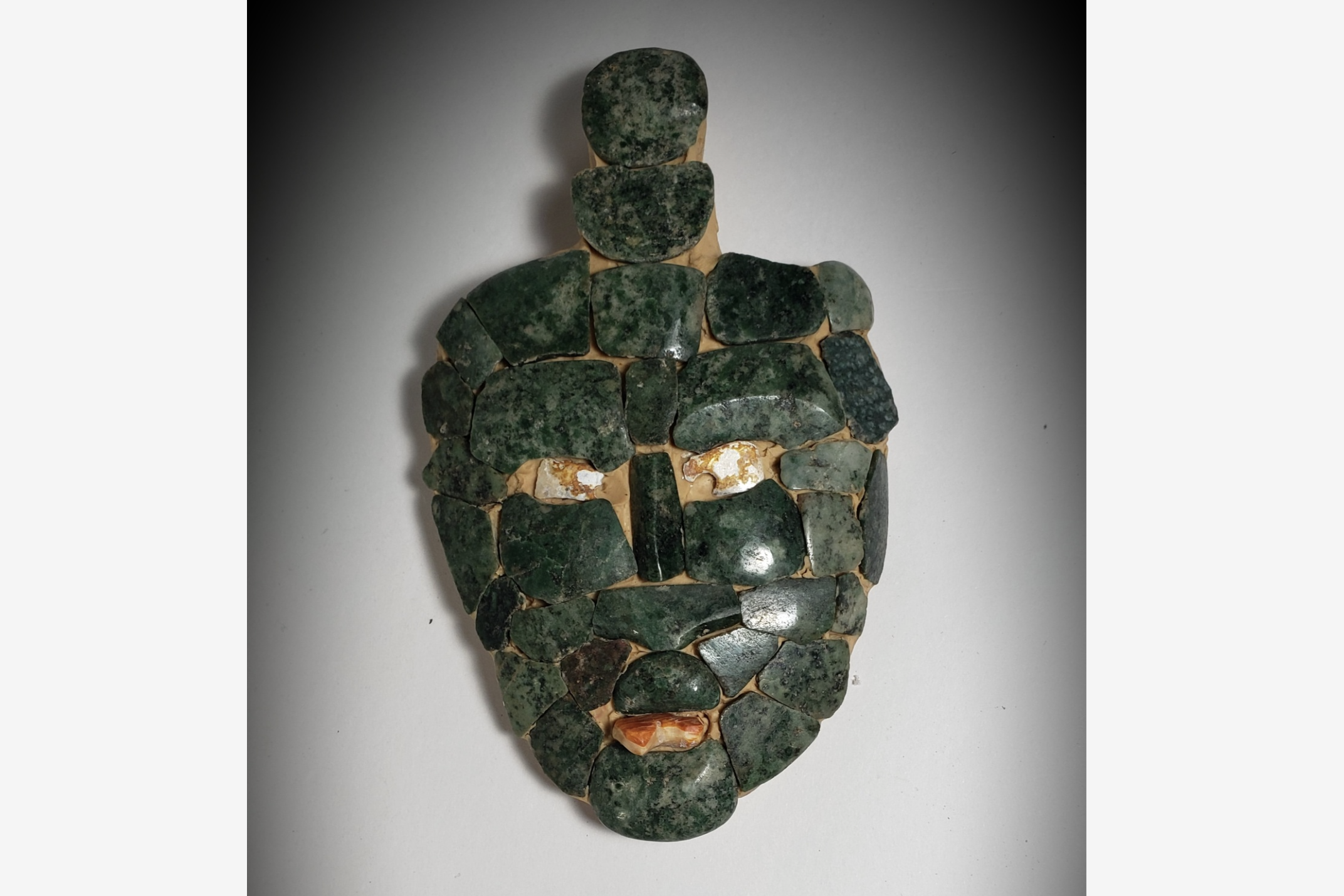
Maya · Bonampak700–800 CE
Fragmentary mask of rare dark jade. Traces of red pigmentation indicate use in blood rituals.
Olmecs · La Venta1200–400 BCE
Mask blending human features with those of the jaguar — the Olmecs' sacred animal. Used in shamanic transformation rituals.
Toltecs · Tula900–1150 CE
Mask of the "Feathered Serpent" — god of wind and knowledge. Carving imitates scales and feathers, symbolizing sky and earth united.
Zapotecs · Monte Albán500 BCE–750 CE
Posthumous portrait mask found in a tomb with wall paintings. Points to beliefs in the afterlife as a continuation of living.
Mixtecs · Oaxaca1400–1521 CE
Adorned with turquoise and gold, depicting the "tonal" — a person's spirit double. Used in birth and death rituals.